


Types of Packaging
The type of packaging you use for your products is very important in your business. It is a part of the whole customer experience — from the moment they see and purchase your products (either on physical or virtual shelves) up to the time of consumption. Hence, the following factors should be taken into consideration when choosing the right packaging:
- Value for money
- Storage efficiency
- Product sensitivity to air, moisture, sunlight, and temperature
Sure, you nailed down your Christmas-themed packaging, but is it the perfect fit for your products? Here is a guideline of the types of packaging that you can use for your business:
This type is best used for products like nuts, chips, cookies/pastries, spices, powdered items (like cacao mix, matcha powder) and healthy superfoods (like chia seeds, cacao nibs, flax seeds, quinoa). It has a resealable ziplock so your product’s quality will not be compromised. What’s more, this type of pouch is designed to literally stand up, making it stable when displayed on shelves. You may opt for regular Stand Up Pouches (with no ziplock) for one-time consumption foods or essential items.

This type is best used for meat, fresh and dried seafood, cheese, deli products, and frozen food. The vacuum seal is done to preserve product quality, making them stay fresh longer and prevent the growth of bacteria and molds. This type of vacuum bag is so versatile that it can be also used as sous vide and boilable bag, which means you can use them in direct cooking that requires either low heat or high temperature (12 minutes boiling)

When packing coffee grinds and beans, it’s important to use a specific type of packaging to maintain their aroma, freshness and quality. These specially-designed coffee bags come with resealable ziplock, laminated lining, and a degassing valve which allows the natural build-up of carbon dioxide an escape route while blocking moisture, oxygen, and light from entering the pouch — factors that will have adverse effects on the quality of your coffee if the right packaging were not used.

Aside from coffee bags, coffee drips are now becoming a staple in coffee lovers’s pantries as their convenient and quick wake-me-upper. It’s designed to hold your coffee grinds securely (seal the topmost of the drip pouch), so you can easily brew a perfect cup anytime, anywhere.

Tea products are ideally packed in fully covered (to prevent sunlight from penetrating) Stand Up Pouches with Ziplock (to keep it airtight). Alternatively, tea leaves can also be placed in individual tea bags, perfect for those who want a quick cup of fragrant tea.

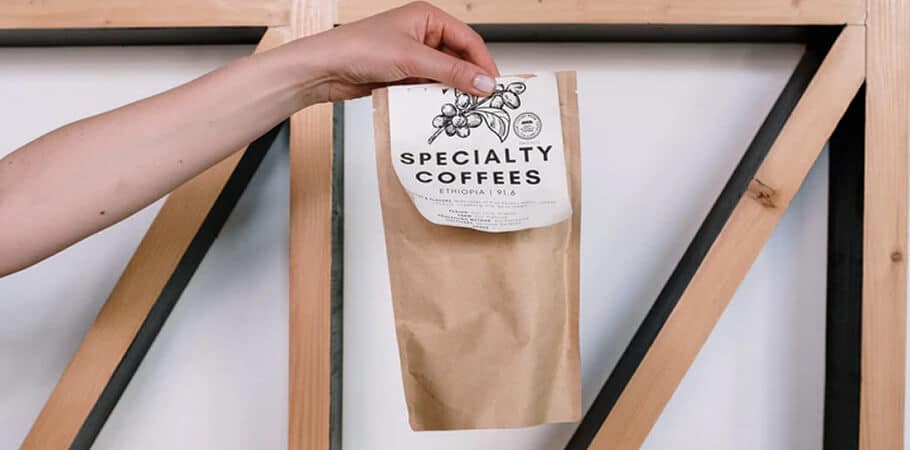
Another packaging option for coffee products is the gusset bag. If you’re after the premium and sophisticated look, then this pouch is just the right one for you.

As the name suggests, this type is ideally used for rotisserie chicken, pork (i.e. bagnet or lechon belly roll), and roast beef. This same type of bag can also be used for fruits in lieu of traditional carton or styro box containers. This bag is designed with a transparent front cover, a resealable ziplock, and a small center hole to release moisture, making your product stand out and clearly visible.

This type is best used for fast-moving consumer goods (ex: coffee drip, tea bags, facemasks, random accessories, electronic parts) especially if your business entails repacking of bulk, wholesale products into smaller, more affordable retail items for purchase.

Liquid pouches are used for liquid products such as condiments, fruit juices and jams, and even detergents. Depending on the variant of liquid pouch, these bags come with ziplock, spout, and holes for handling. Best part of all? They’re cheaper than plastic or glass bottles, and less bulky to store in your warehouse.